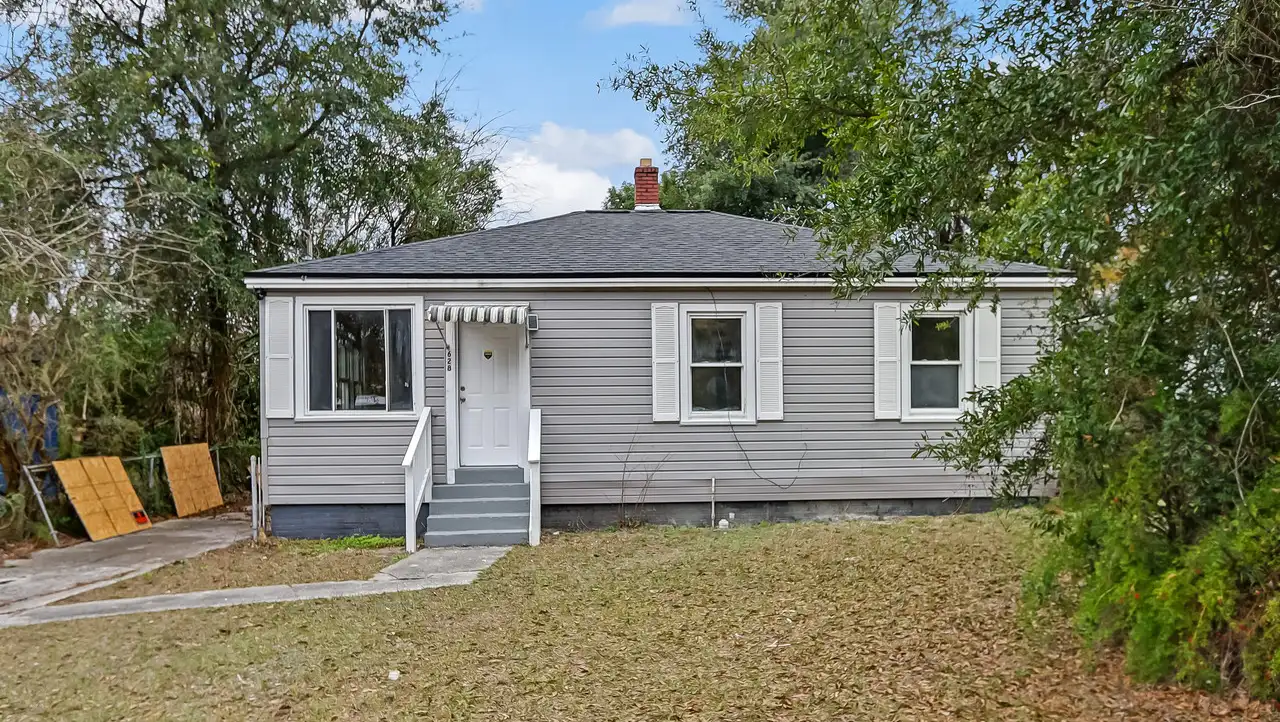
An empty Jacksonville house can be easier to show, but it still needs a plan while you decide how to sell. The most useful preparation is to know who can enter, who is watching the property, and which questions a buyer will need answered. You do not have to renovate simply to begin a conversation.
Put one person in charge of access
Create a record of keys, locks, gates, alarm instructions, and approved visitors. Give a buyer a scheduled way to inspect the property rather than circulating codes through several people. If you live elsewhere, identify a local contact who can report an urgent maintenance issue.
Take dated photographs of the condition if it is safe to do so. They can help you compare changes over time and explain the property to a buyer. They are not a substitute for an inspection or evidence that hidden systems are functioning.
Ask before canceling services
Speak with your insurer about the property’s occupancy status and any applicable requirements. Coordinate utilities and maintenance with the people responsible for the house. A buyer or inspector may need services available to evaluate systems, but do not turn on equipment that a qualified professional has identified as unsafe.
Make a simple weekly checklist: exterior condition, signs of a leak, mail or deliveries, yard needs, and anything requiring a professional response. The checklist is a coordination tool; it is not an insurance or property-management standard.
Decide what happens to belongings
Sort items into those you will remove, those another person owns, and those you want to discuss leaving. Ask the buyer to confirm any agreed items in writing. “As-is” should not become a last-minute disagreement about a garage full of furniture or an appliance you intended to keep.
If the property is inherited, confirm authority before disposing of anything. See the inherited-house information for the broader sale discussion, and ask the estate adviser about belongings and ownership.
Compare selling plans with carrying costs in view
List your actual recurring expenses and the preparation each option would require. Compare a direct offer with a realistic listing plan for the house’s condition. Do not assume that the fastest offer is best, or that a higher possible listing price guarantees higher proceeds after the work and time involved.
Ask each buyer what still needs to be checked, who will handle closing, and when you would hand over possession. The contract should make those arrangements understandable before you plan the final cleanup.
Learn about selling a vacant Jacksonville house or request an Obi Buys offer. Share known condition issues and access constraints at the start so the discussion is based on the actual property.
Source and scope
Florida Bar: Buying a Home supports the reference points discussed above. The checklists and examples are editorial planning aids, not individualized legal, tax or financial advice. Consult the appropriate professional for your transaction.