Cash home buyers in Jacksonville
How Much Do Cash Home Buyers in Jacksonville Actually Pay?
If you are thinking, “I need to sell my house fast, but I do not want to give the house away,” you are asking the right question. A cash offer can be convenient, but homeowners deserve to understand how that number is usually calculated before they make a decision.
Most professional cash home buyers look at the property’s current condition, its likely value after repairs, the cost of fixing it, the resale risk, and the amount of time and money it will take to close, renovate, hold, and sell the home later. The 70% rule is one of the common formulas investors use to estimate what they can pay for a house that needs work.
Obi Buys believes Jacksonville homeowners should get a clear explanation, not a vague number with pressure attached. If you want to talk through your house, you can call 904-593-4699 or start with our online form.
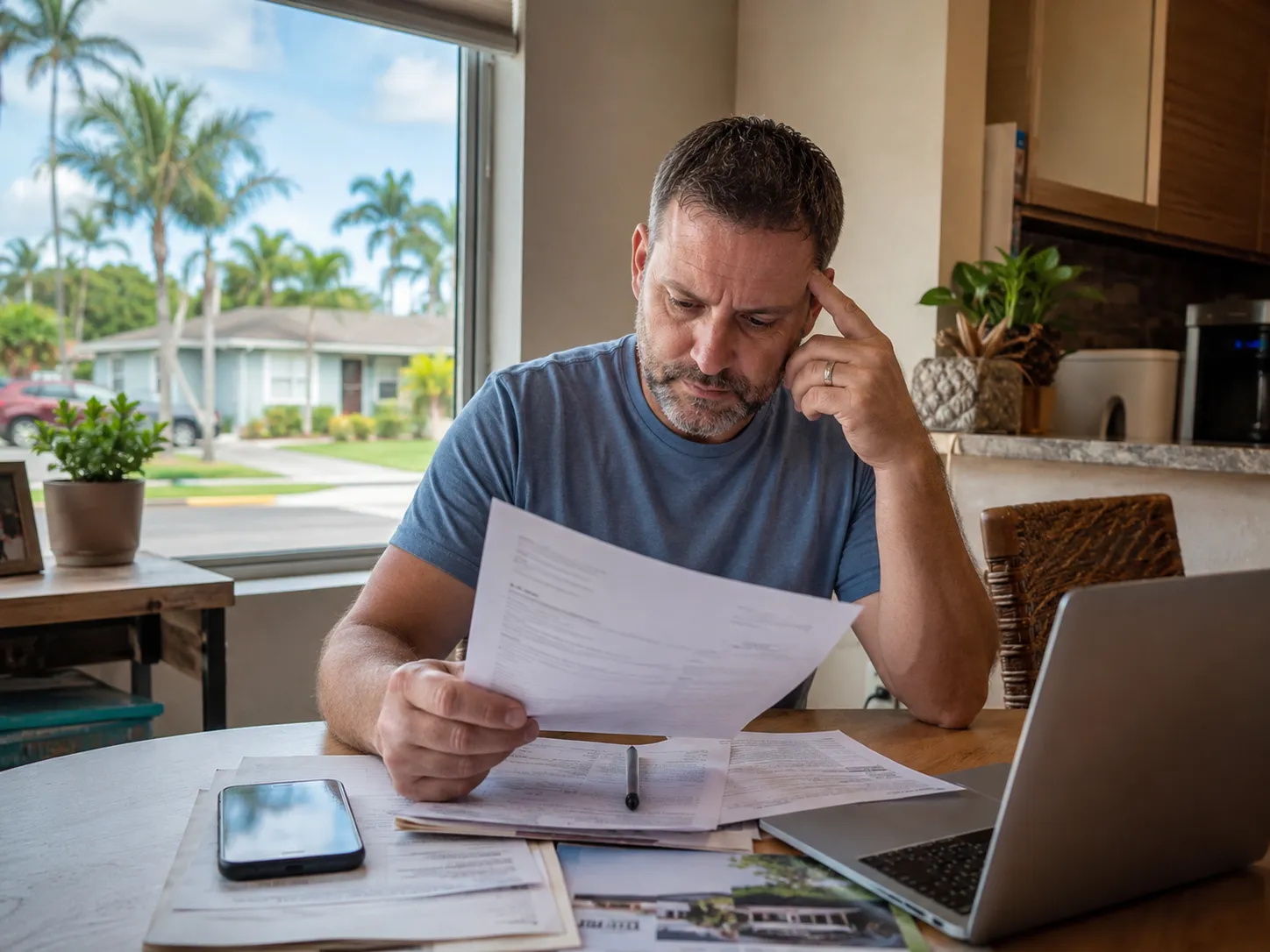
The honest breakdown
What the 70% Rule Means in a Cash Home Sale
The 70% rule is a simple investor guideline. It says a cash buyer usually starts with the home’s estimated after-repair value, multiplies that number by 70%, then subtracts the estimated repair costs. The number left over is often used as a rough maximum offer before the buyer looks closer at the details.
This rule is not a law, and it is not used the same way on every house. A clean home in a strong Jacksonville neighborhood may not be evaluated the same way as a property with roof damage, foundation issues, title problems, unpaid taxes, or years of deferred maintenance. Still, the rule is helpful because it shows why a cash offer is usually lower than the retail price of a fully updated home.
After-repair value
This is the estimated price the home could sell for after repairs, updates, cleanup, and market preparation are completed.
Repair costs
A buyer has to account for visible and hidden repairs, including roofing, electrical, plumbing, flooring, cleanup, permits, and contractor labor.
Holding expenses
Taxes, insurance, utilities, maintenance, interest, and closing costs continue while the buyer owns the home and prepares it for resale.
Market risk
A buyer takes on the risk that repairs cost more than expected or the resale market changes before the house is ready.
A Simple Example of the 70% Rule
Here is an easy example. Let’s say a house in Jacksonville could sell for $300,000 after it is fully repaired and cleaned up. If a cash buyer uses the 70% rule, they may start by multiplying $300,000 by 70%. That gives them $210,000. If the home needs $50,000 in repairs, the rough starting point becomes $160,000.
| Part of the Estimate | Example Number | What It Means |
|---|---|---|
| After-repair value | $300,000 | The estimated resale value after the home is repaired and ready for the market. |
| 70% of after-repair value | $210,000 | The starting investor number before repair costs are subtracted. |
| Estimated repairs | $50,000 | The projected cost to repair, clean, update, and prepare the home. |
| Estimated cash offer range | $160,000 | A simplified example of where the offer might begin before other details are reviewed. |
This does not mean every cash offer will be exactly 70% of value minus repairs. Some homes can support a stronger offer. Some cannot. A house in Riverside, San Marco, Mandarin, Arlington, Orange Park, or Jacksonville Beach may be evaluated differently depending on lot size, buyer demand, insurance concerns, condition, and recent comparable sales.
Why the number changes
Why Cash Offers Are Not One-Size-Fits-All
A formula can help explain the math, but a real offer depends on the actual house. Two homes in the same neighborhood can have very different values if one has a newer roof and updated systems while the other has termite damage, old electrical, water intrusion, or a long list of code issues.
That is why a serious buyer should ask questions, review the property, and explain the offer instead of throwing out a random number.
Condition matters most
A home that only needs paint and flooring will usually price differently from a house with roof leaks, structural concerns, damaged plumbing, or a full cleanout.
Location affects resale value
Jacksonville neighborhoods can vary street by street. Recent sales, school zones, flood zones, commute routes, and nearby demand all affect the number.
Title issues can slow things down
Probate, liens, unpaid taxes, inherited ownership, divorce paperwork, or an old mortgage issue can add time and cost to a sale.
Your timeline also matters
Some sellers need to close quickly. Others need extra time to move, clear out personal belongings, coordinate family, or finish paperwork.
Why a Cash Offer Is Lower Than a Retail Listing Price
A retail listing price usually assumes the home is being sold to a buyer who plans to live in it. That buyer may compare the house to updated homes nearby, ask for repairs after inspection, request concessions, rely on lender approval, and expect the property to meet certain financing requirements.
A cash buyer is looking at the property differently. The buyer is taking on the repairs, resale process, cleanup, closing costs, insurance, utilities, contractor scheduling, and the possibility that the final resale price is lower than expected. That is why a cash offer is not designed to match the highest possible retail price. It is designed to trade some of that price for speed, certainty, and less work for the seller.
For some homeowners, listing makes sense. If your house is updated, easy to show, and you have time to wait, the open market may be the better fit. If the house needs repairs, has tenants, is inherited, is vacant, or you simply do not want months of showings and negotiations, a cash sale may be worth comparing.
What a Fair Cash Buyer Should Explain
A fair cash buyer should be able to talk through the property’s estimated value, the repair concerns they see, the closing timeline, and what costs the seller does or does not have to pay. You should not feel rushed into signing before you understand the offer.
Obi Buys is a local Jacksonville business, not a national lead company passing your information around. The goal is to look at the house, understand your situation, and give you a real option that you can compare against listing, renting, repairing, or waiting.
When the 70% Rule May Not Tell the Whole Story
The 70% rule is useful, but it can be too simple for certain properties. A house with light repairs in a high-demand area may justify a better offer because the risk is lower. A house with serious foundation issues, major storm damage, fire damage, an old roof, or an unclear title may require a larger discount because the buyer is stepping into more uncertainty.
Jacksonville also has a wide range of property types. A concrete block home on the Westside, an older bungalow near Springfield, a rental in Arlington, a waterfront property near the St. Johns River, and a house near the Beaches will not all be evaluated the same way. Local experience matters because the numbers have to reflect the actual neighborhood, not just a formula.
Obi Dorsey’s background in construction and real estate helps Obi Buys look at the house more realistically. The team has worked with inherited properties, unwanted rentals, vacant homes, foreclosure concerns, major repairs, and other situations where a standard sale can be difficult.
A Cash Sale May Make Sense If Repairs Are Holding You Back
Many Jacksonville homeowners start by asking contractors for repair quotes, then realize the project is bigger than expected. A roof, HVAC system, electrical panel, plumbing issue, flooring replacement, drywall work, and cleanup can add up quickly.
If you do not want to spend more money before selling, a direct cash offer lets you compare the value of selling as-is against the cost, time, and stress of repairing first.
A Cash Sale May Also Help When Time Matters
Some sellers are not just dealing with repairs. They may be facing relocation, probate, divorce, foreclosure pressure, tenant problems, code violations, or the cost of keeping a vacant home insured and maintained.
In those cases, the question is not only how much the house could sell for after months of work. The real question is whether a faster, cleaner sale solves the problem in a way that makes sense for the owner.
How to Compare a Cash Offer to Listing With an Agent
When comparing a cash offer to a traditional listing, do not only compare the offer price to a possible retail price. Look at the net amount you may actually keep after repairs, commissions, seller concessions, inspection credits, closing costs, mortgage payments, utilities, insurance, taxes, and the time it takes to close.
A higher listing price can still turn into a lower net if the house needs repairs or if the buyer asks for credits after inspection. A cash offer may be lower on paper, but it may also remove repair spending, open houses, appraisal risk, lender delays, and months of carrying costs.
Question 1
What repairs would a retail buyer request?
If a typical buyer would ask for a new roof, electrical work, plumbing repairs, or major credits, those costs should be part of your comparison.
Question 2
How long can you keep paying for the house?
Mortgage payments, property taxes, insurance, utilities, lawn care, and maintenance continue while the house is listed or being repaired.
Question 3
How much certainty do you need?
If you need a predictable closing, selling to a direct cash buyer can reduce the risk of financing issues, appraisal problems, or last-minute repair negotiations.
So, What Do Cash Home Buyers in Jacksonville Actually Pay?
The honest answer is that it depends on the property. A cash home buyer may pay less than a retail buyer because the buyer is solving problems the seller does not want to handle. That may include repairs, cleanout, tenant issues, title delays, code concerns, closing costs, and resale risk.
At the same time, a serious local buyer should not hide behind a formula. The offer should be based on the house, the neighborhood, the repairs, and your goals. A homeowner in Jacksonville deserves to know why the number is what it is, especially when the property has been in the family for years or the sale is happening during a stressful time.
If you want to sell my house fast without repairs, showings, commissions, or a drawn-out process, a cash offer can be a useful option to review. It does not obligate you to sell. It simply gives you a clear number so you can decide whether it works.
Talk With a Local Jacksonville Cash Buyer Before You Decide
Obi Buys has been helping homeowners across Jacksonville and Northeast Florida sell as-is for years. The team buys houses in many different situations, including inherited homes, rentals, vacant properties, foreclosure concerns, houses with major repairs, and properties that are simply too much to keep.
If you want a transparent conversation about what your house may be worth, call 904-593-4699 or send the details through our online form. You can compare your cash offer against listing, repairing, renting, or waiting, then choose the path that feels right for you.

Author Bio
About Obi Dorsey
Obi Dorsey is the co-founder and CEO of Obi Buys, a family-owned Jacksonville cash home buying company. Obi began his career as a project manager for a national construction company before moving into real estate full time in 2012. His construction background helps him understand repair costs, property condition, and the practical challenges homeowners face when selling as-is.
Obi Buys has helped nearly 2,000 Jacksonville and Northeast Florida homeowners with difficult property situations, including inherited homes, unwanted rentals, foreclosure pressure, vacant houses, and homes that need major repairs. Obi’s goal is to give sellers a clear, respectful option without pressure, commissions, or unnecessary delays.
